
Your dirt
Hard clay that packs down
The dirt here sets hard. Winter rain sits on top. Summer heat cracks it. Roots cannot push through until that layer is broken.
Craigieburn, Melton and Sunbury sit on clay that packs into a brick. We break that layer, add softer soil, then lay Kikuyu in the sun or Buffalo in the shade.
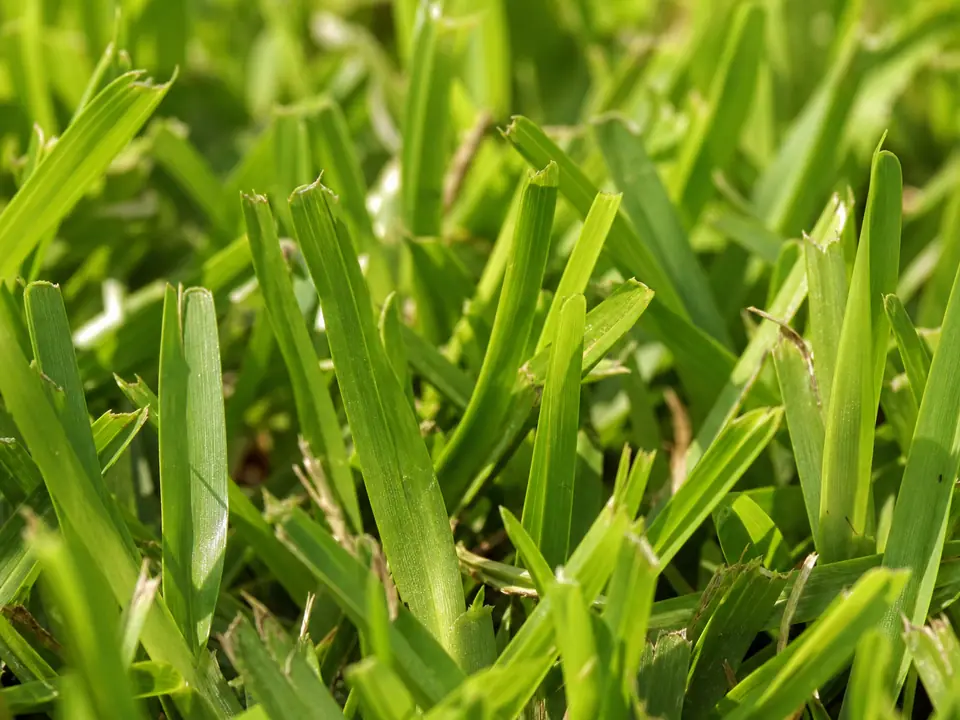
Your dirt
The dirt here sets hard. Winter rain sits on top. Summer heat cracks it. Roots cannot push through until that layer is broken.
Your weather
Summers are hotter and windier than the eastern suburbs. A lawn that is happy in Ringwood can fry out here in January.
The grass
Kikuyu, Buffalo.
Pick from the sun in your yard, not from a photo online. A shady backyard and a sunny front can be two different grasses.
Big sunny yards
From $8/m²
The lawn for open estates in Craigieburn, Mernda and Melton. It grows fast, kids and dogs can use it, and it costs less when the yard is large. It needs sun. A dark side path will not suit it.
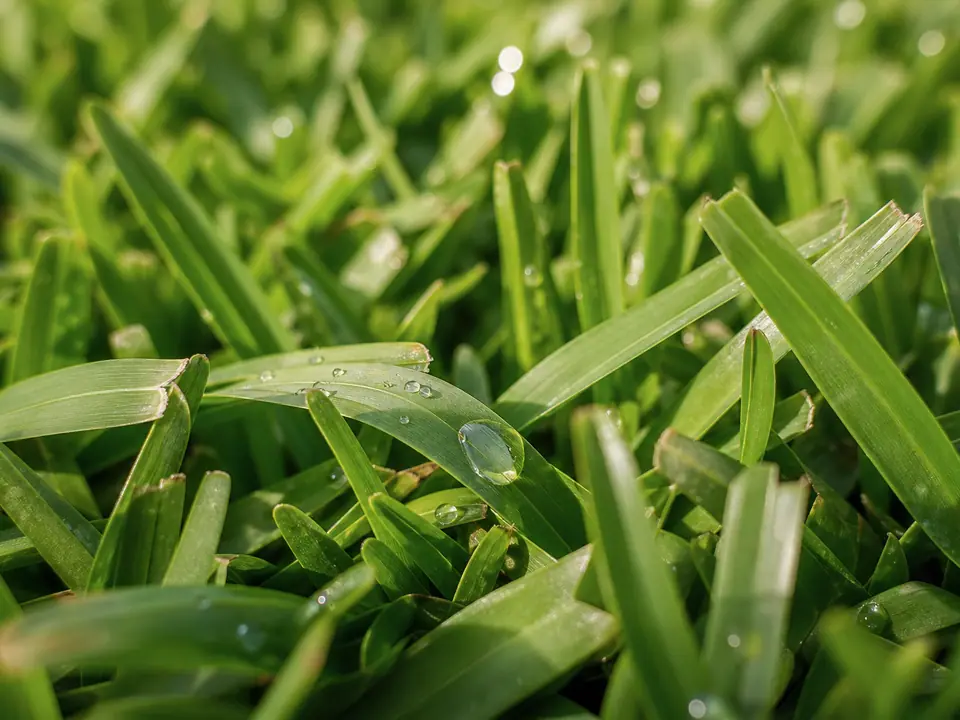
Shade from fences and trees
From $14/m²
Softer underfoot, and it keeps its colour when a fence or a tree takes the afternoon sun. This is the usual pick in Preston, Reservoir and Coburg. It still needs the hard clay broken first. Shade does not fix bad dirt.
Check if the clay turns to slime when wet. Only then add gypsum.
Break the hard layer with a deep rotary hoe.
Spread a softer sandy soil on top and level it.
Kikuyu where the yard is sunny. Buffalo where fences and trees block the light.
If you dig a hole in Craigieburn, Melton or Sunbury, the dirt is heavy and it packs down. Builders often roll it flat, then sprinkle a thin layer of soil on top so the block looks finished. The lawn roots hit that packed layer and stop. In winter the rain has nowhere to go, so the new grass sits in a cold puddle. In the first hot week of summer it goes brown, because the roots never found moisture underneath.
The fix is simple to say and real work to do. Break the hard layer. Put a softer soil on top, about 100 millimetres, so the roots have somewhere to live. Then choose the grass from the sun. Open yards get Kikuyu. Shady yards get Buffalo. Melton, Sunbury, Caroline Springs and Diggers Rest are the same ground, even if you do not see them in the suburb list above.
This clay comes from old volcanic rock. When it is wet, a boot or a machine smears it smooth. That smear dries into a seal. Water cannot get in. You will see cracks along the garage and the paths in summer, and puddles in the same spots in winter.
New estates are the worst of it. Machines squash the ground, then a thin pad of site soil goes down. Dig and you often find the hard band 50 to 100 millimetres down. The lawn looks green for a month. By January it thins, because the roots are still stuck in the top.
Epping, Thomastown, South Morang, Mernda and Doreen change from street to street. Some blocks are raw clay. Some are trucked-in fill that sets just as hard. We treat the fill as clay until a hole shows us something softer.
Preston, Reservoir, Coburg and the older parts of Bundoora are the same family of dirt with more shade. A Coburg front yard that loses the sun after 2pm is a Buffalo yard. An open Craigieburn backyard with no tree yet is a Kikuyu yard. Underneath, the work is the same.
These plains get less rain than the east, and what falls in winter often runs off the sealed clay instead of soaking in. Nights on the new estates can frost, then the same yard is hot by the afternoon.
That is why the top layer matters more than the name of the grass. A sandy soil holds a drink without staying soggy. Clay either holds water too long or sheds it once a crust forms. We would rather put a proper layer of softer soil over a broken base than lay an expensive grass on a sealed pad.
Wind toward Melton and Sunbury dries the edge of a new lawn in a day. The turf has to be watered the day it is laid. Edges along driveways go first. Tell us if nobody will be home to turn the tap on.
Gypsum is not plant food. It is for clay that collapses into slime in water. A lot of clay on this plain does that. Where it does, we spread gypsum before we cultivate. Where the clay is only compacted, gypsum will not open it. The hoe does that job.
The hoe has to go through the hard band, not skate over it. We do not hoe mud. Wet clay smears, and a smeared layer is worse than the one you started with. If the site is soaked we wait, or we take the worst fill away and bring soil in.
After the clay is open we spread sandy loam and level it. About 100 millimetres is what we aim for here. Less than that and the roots are back in the clay by the first summer. The ground should fall away from the house, and downpipes should not dump winter rain on one corner.
A starter fertiliser goes on as we lay. The new soil is a place to grow, not a meal on its own. Water every day until a corner of the turf holds when you lift it. On these plains in summer that can be a fortnight.
Kikuyu starts at $8 a square metre. It is fast, it repairs from dogs and cricket, and it suits a large estate lot in full sun. It will sulk in a sideway that never sees direct light, and it will not push through a sealed clay pan.
Buffalo starts at $14. It is the grass once shade arrives: a south fence, a two-storey wall, the first street trees. It is softer underfoot and it holds colour in part shade. It still needs the same soil bed.
Bermuda and Santa Ana want water to drain away. On unimproved clay they rot in winter. After the hoe and the new soil, a sunny yard can grow them, and we will lay them if you want the finer leaf. For most houses here, Kikuyu or Buffalo is the match.
Laying is $3 a square metre under 500 square metres. Breaking the clay and bringing soil in is quoted, because the hard layer is not the same depth on every block. Call 0414 811 907 and say whether the yard is open or fenced.
Tell us the town when you call. If your street is different from the one next door, say so.
The grass has a set price. Laying is $3 a square metre under 500 square metres. Getting the dirt ready is quoted, because every yard is a bit different. Delivery from $200.